
Doors Bulk Printing Opens That POD Can't (If You Do This One Thing)
If you’re doing a bulk print run for your picture book or board book, it opens some wonderful doors, but it also comes with a risk.
A lot of new authors pour their hearts into their books—and their money! First into illustrations, then into a bulk print run, but not knowing how to market their books, they often sell very few copies or take years to move the bulk stock.
The last thing anyone wants is to have their book stock just sitting there. If you’re paying for storage, you’re spending money every month. If you store at home, they’re taking up space and not getting you your invested money back. Either way, boxes of unsold books are stressful, and it doesn’t have to be that way.
The good news is, the solution is simple! You need enough of a marketing plan to actually sell what you've printed. The even better news is that bulk printing itself gives you options print on demand simply can’t, which makes it easier to sell the books (and make a bigger profit, of course).
It also means you can print board books, which print-on-demand can’t produce.
Why bulk printing opens doors POD can’t
The main benefit of bulk printing is that it costs the author much less per book. But many authors don’t realise it opens a lot of other doors too.
Because you already have stock in hand, the most effective in-person strategies become easier, as you have enough copies to simply move ahead with any strategy. Let’s say you’re going to a school visit–you already have enough books to sell, and you don’t have to worry about predicting how many you need and then ordering from KDP or IngramSpark.
In-person marketing is powerful because nothing beats live interaction. Meeting someone face-to-face (online or in-person) is the highest converting marketing method. When you’ve got books ready to sell, in-person marketing becomes a bigger, better opportunity. Here are the ones I’d focus on.
Marketing Strategies for Your Books
School visits
This is where I’d start. It’s one of the most effective ways to sell books and build your reputation, and it’s the strategy that benefits most from having stock on hand.
School visits are an excellent opportunity for you to connect with your target readers. They’re also a chance to spread the love of reading and learning to kids and build relationships with teachers who are major influencers of what their students read. When students and teachers meet you, the author, it creates a memorable, personal connection to your book.
But schools aren’t inviting you just to read. Teachers can do that anytime. They’re inviting you because you’re the author, and they want an experience that is more special than a reading. So include a conversation, a book reading, and a slide presentation or video. You can add a Q&A, a simple writing activity, or, if you’re an author-illustrator, a quick drawing demo.
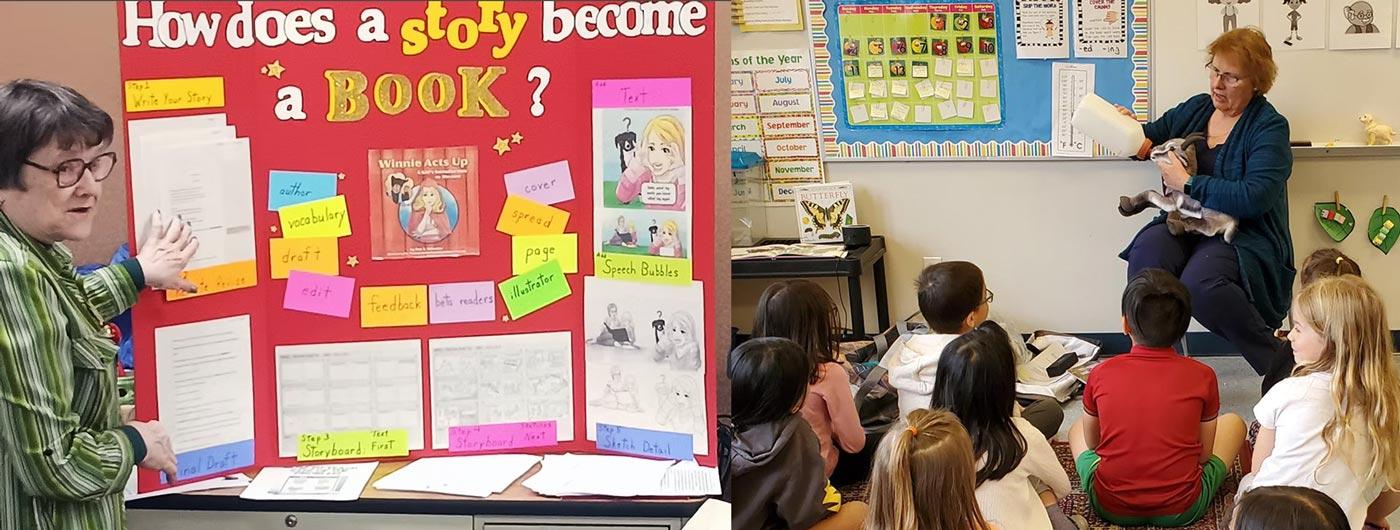
To get started, list schools in your local area. Aim for around ten to begin with. Then find the right person to contact. It’s usually the school librarian or media specialist, but can also be the literacy coach or reading specialist. Email them a short, personalised message that includes the name of the school, which age group the book suits, a 1- to 2-sentence story summary, and a thumbnail of your cover in the body of the email to attract more attention. Ask them if they would be interested in a school visit. Attach a PDF overview of your book that has the book cover, two or three taster images from the book, a short synopsis, and anything else interesting about the book, e.g., review quotes.
You can start out for free, but don’t keep doing visits for free! Rates vary, but most indie authors charge around $150 for a single session, $500 for a half-day, and $900 for a full day, with virtual visits often starting around $100.
And a print run makes a big difference, because you already have books in hand, you can sell copies on the day and keep the full margin. Create a pre-order form and advise the school to distribute the form in advance and send you the list of orders. You can offer the school a bulk discount or bundle titles if you have more than one.
In-person book fairs, festivals, and markets
Book fairs and festivals are excellent for spreading the word about your book and interacting directly with your audience. You will also meet other authors and book industry professionals.
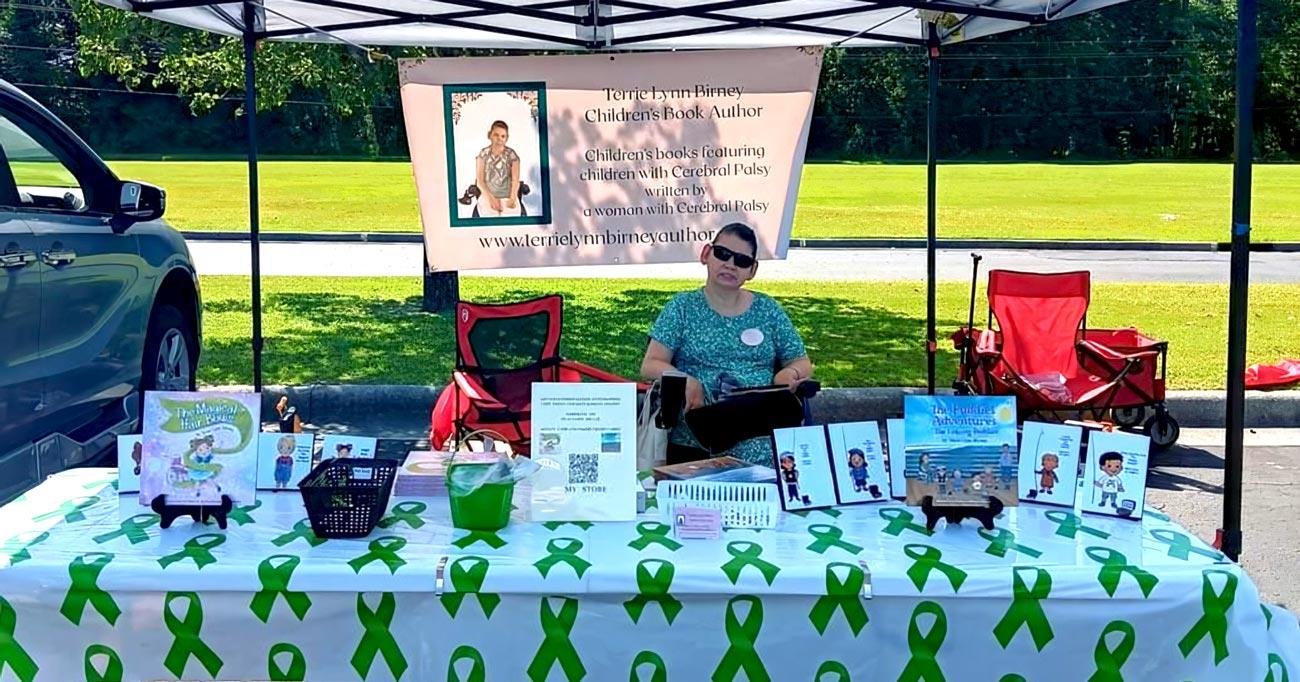
While big events can be powerful, don’t ignore smaller local opportunities like school fairs, farmer’s markets, Christmas markets, charity events, and craft fairs. It’s usually affordable to hire a table, and families attend. Craft fairs, especially, tend to attract mothers and grandparents.
Independent bookstores
Local bookshops are another route worth pursuing, especially those with strong community ties. A book on a local shelf feels credible in a way online listings do not.
This is another place your print run pays off, and it starts with your cost per book. With print-on-demand, you’re paying that per-copy printing cost on every single order, and once the bookstore takes its cut, there’s almost nothing left for you. In fact, with POD picture books you can’t even offer the 55% discount stores want, because then you make a loss. A bulk print run drops your cost per book significantly, which finally gives you room to offer a proper discount and still make a profit.
That means you can sell more easily to local stores. Normally a store orders your book through a distributor, and after everyone takes their cut, there’s almost no profit for you. But when you have books on hand, they can buy directly from you at a bigger discount. The store gets the discount they need to make a profit, you skip the middleman, and you keep more of the money from each sale.
Some bookstores won’t want to buy directly from you. Larger chains usually stick to their distributors. But this is definitely workable for local, independent shops, and bulk printing makes selling directly to them a profitable, real option.
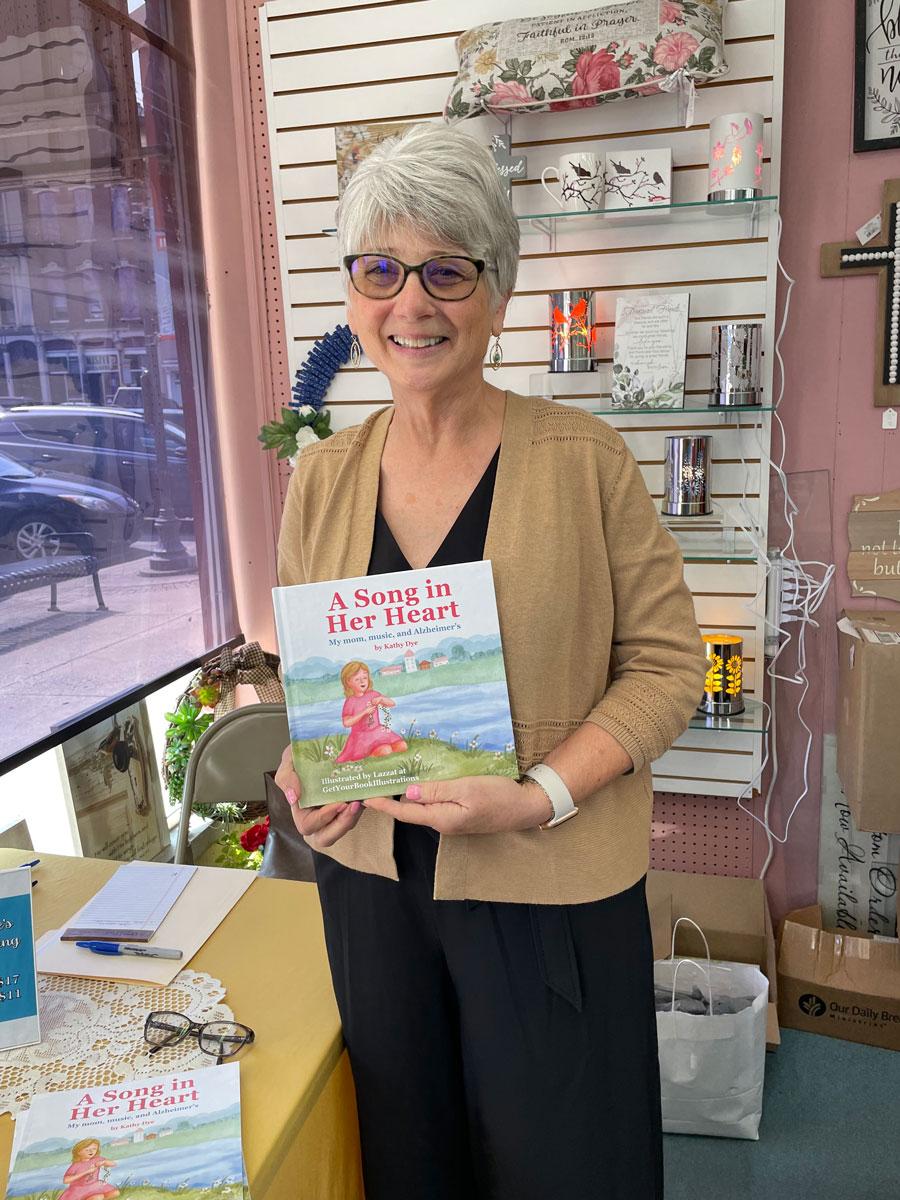
Children’s Book Mastery author Kathy Dye with her book in a store that stocks it.
Amazon Ads
For picture book authors, bulk printing essentially makes Amazon Ads possible.
When you do print-on-demand for picture books, the profit margin is so small that it’s very difficult to run profitable ads. There simply isn’t enough room between your cost and your price. But a bulk print run changes that. The margin becomes large enough that you can run profitable ads, which opens up a whole other avenue of book sales and scaling your author business.
This means you can also scale your sales online, and through a more passive method than in-person marketing.
In Closing
A marketing plan is crucial if you do a print run, but it also opens the door to more profit and opportunities: school visits, fairs and markets, better bookstore deals, and ads. The authors who do well are the ones who had a plan before the boxes of books arrived.
So if you’re getting ready to print, plan how you’ll sell. That way, a bulk print run is a big step towards a successful author career.
Special thanks to Karen Ferreira, founder and CEO of Children's Book Mastery for writing this guest blog. If you want to learn more about writing and marketing a children’s book, visit childrensbookmastery.com for free resources and training.
How to Calculate the Profit Potential of a Bulk Print Run?
Watch this Women in Publishing webinar, hosted by MCRL and Children’s Book Mastery, to learn how to run the numbers to ensure your books are profitable.
