


Understanding Your Offset Printing Quote | 3 Key Tips
Learn what 4/4 means, how to count pages, choose paper weight, and avoid hidden costs so you can read your printing quote with confidence.
Ever looked at an offset printing quote and thought, “Wow…so many weird terms I don’t understand”. You’re not alone. If you’re new to offset printing, the terminology can feel like a foreign language.
In this blog, we’ll simplify three common areas that can be confusing so you can confidently read your printing quote, and avoid unnecessary costs.
Let’s dive in!
1. What Does 4/4 Mean in Offset Printing?
4/4 refers to full color printing on both sides of a sheet. The first number indicates the front, and the second indicates the back. Common variations include 4/0 (full color front only) and 1/1 (black ink on both sides).
This legend might help:
- 4/4 = full color printed on both sides
- 4/0 = full color printed on one side
- 1/1 = black printing on both sides
- 1/0 = black printing on one side
- 2/2 = 1 color black + 1 color PMS printed on both sides
Two examples:
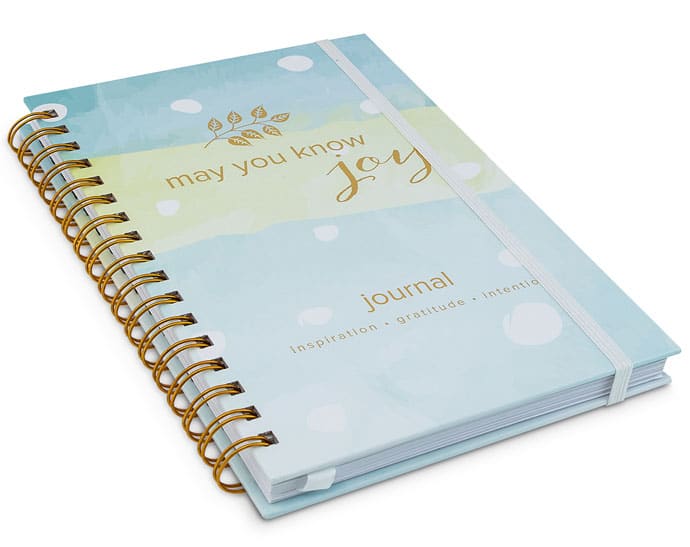
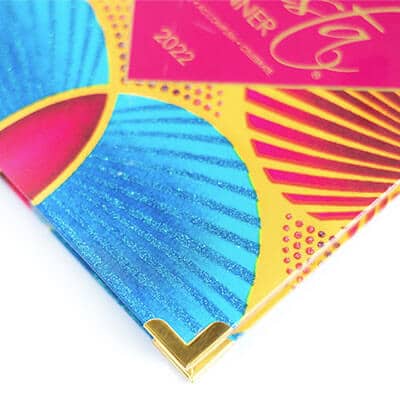
Example 1
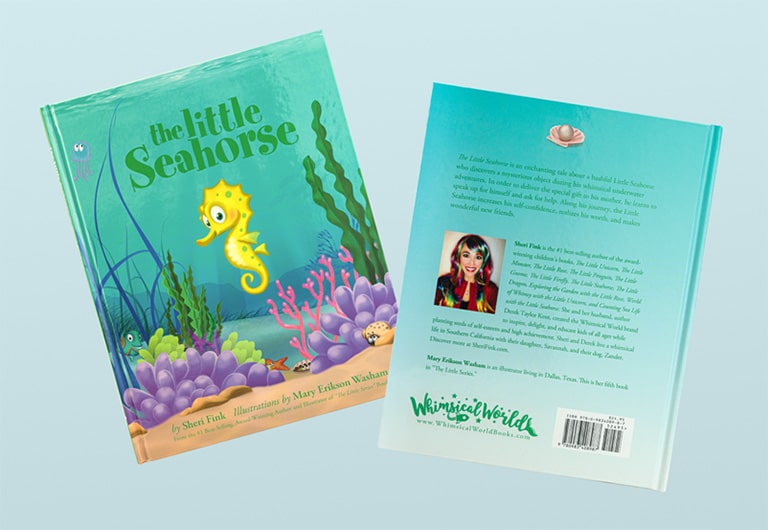
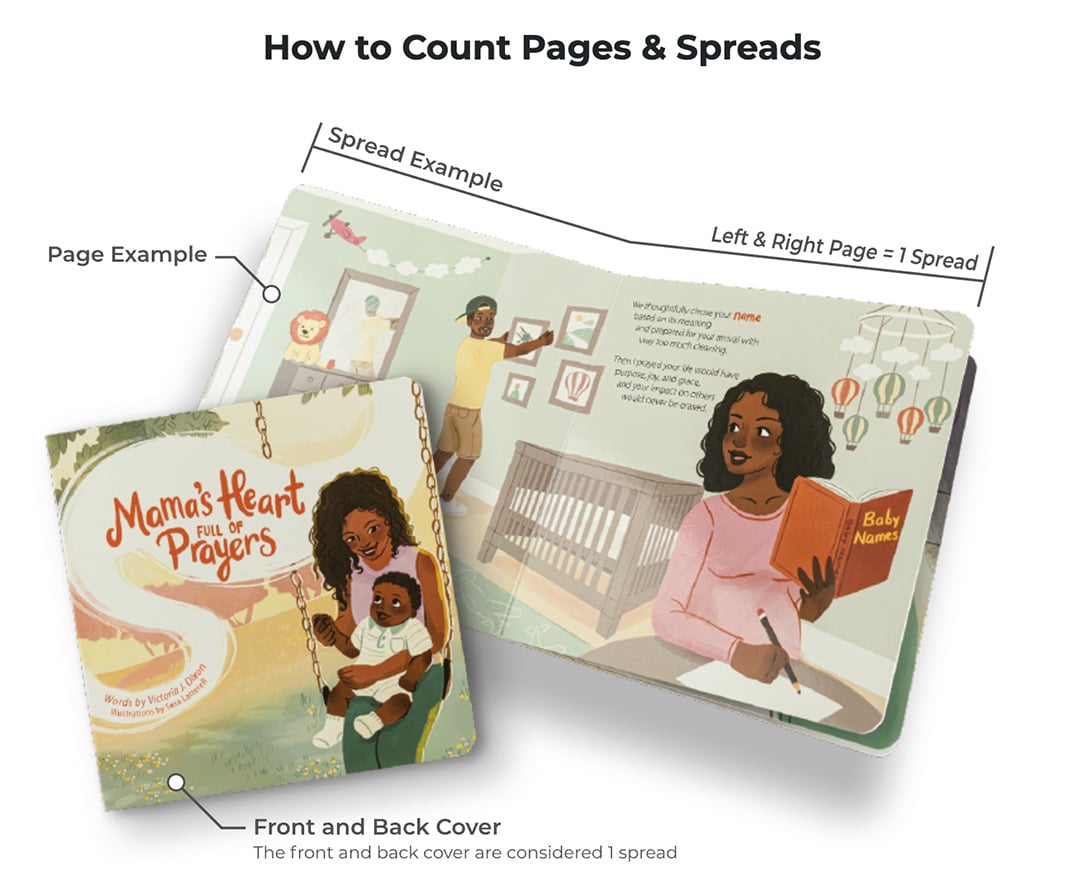
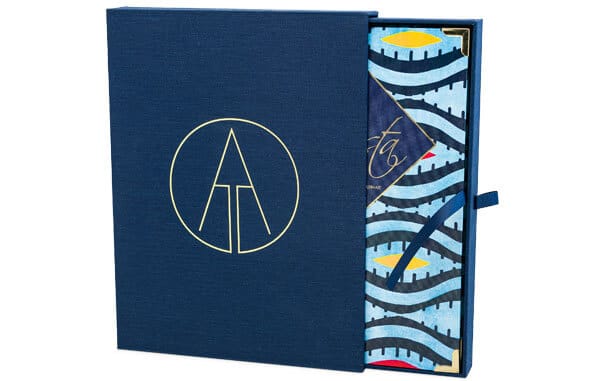
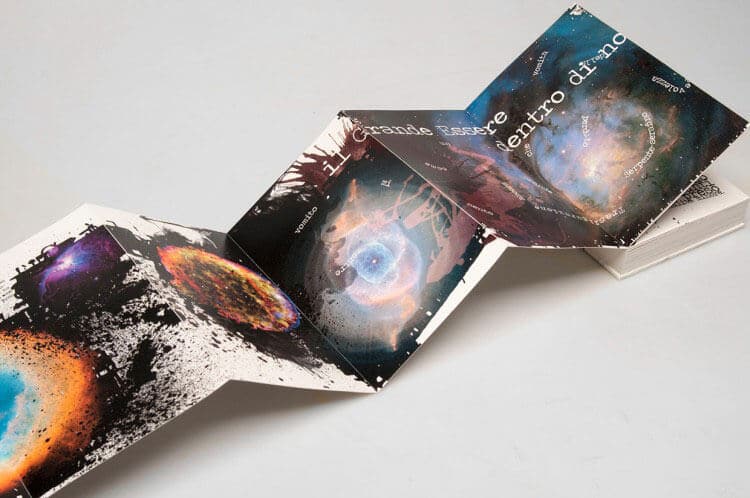
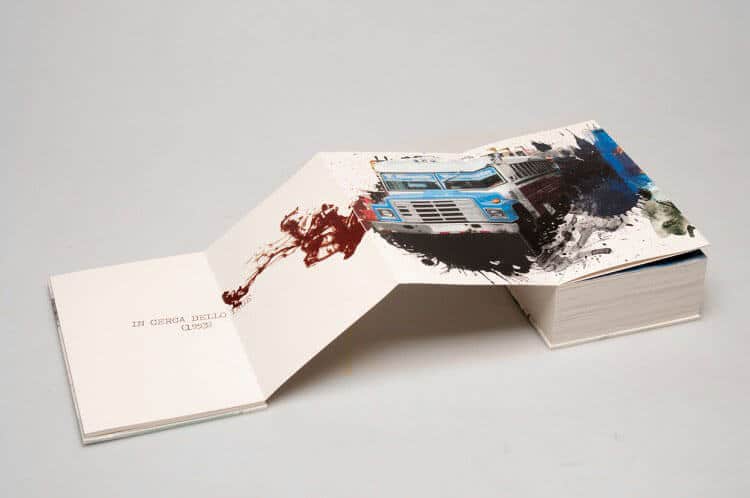
This book’s front and back cover are full color.
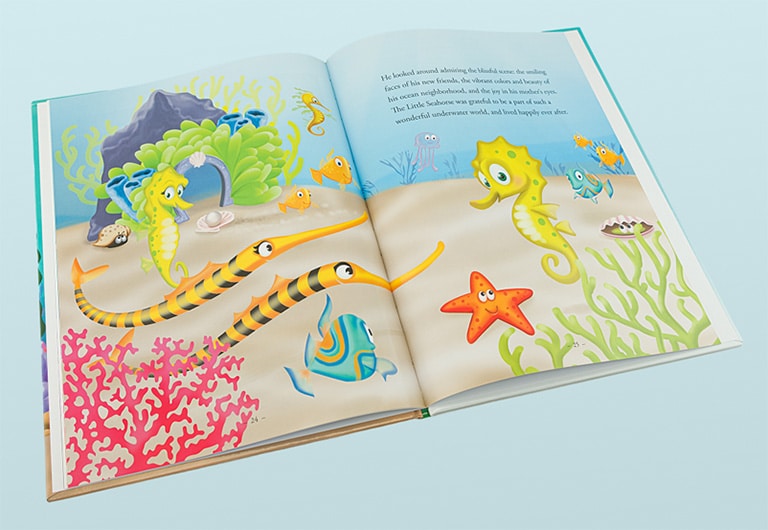
Both pages in spread are full color.
Quote Specification:
Cover: 4/4 (CMYK) | Pages: 4/4
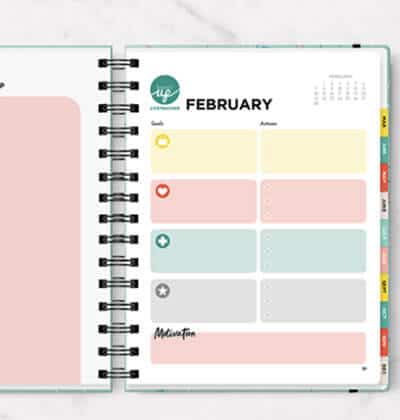
Example 2
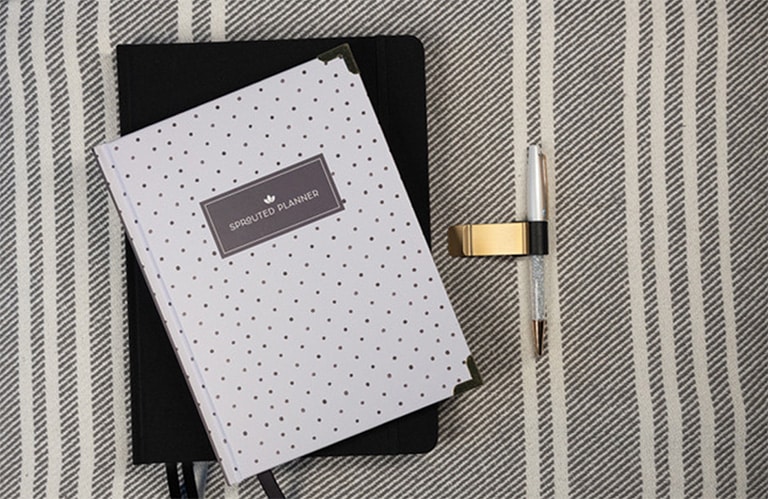
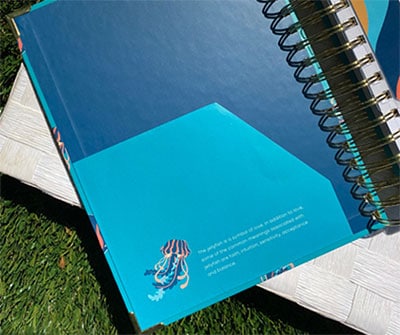
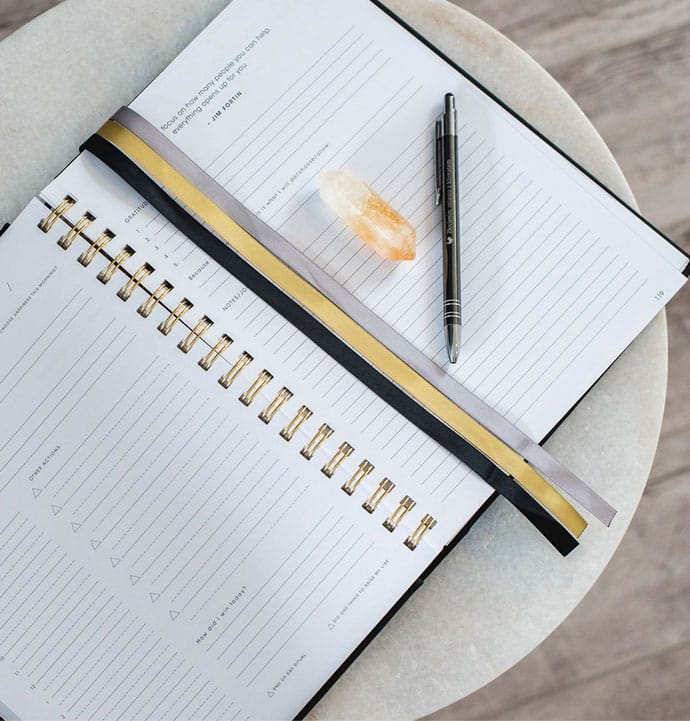
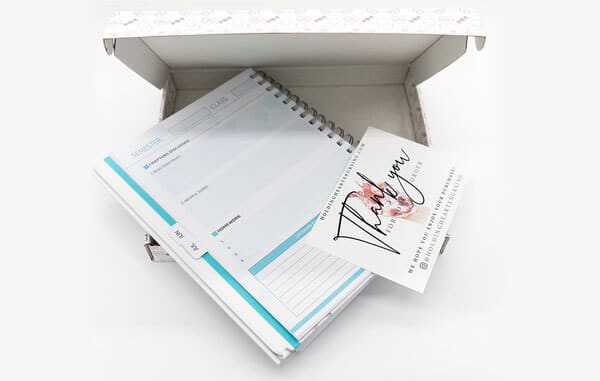
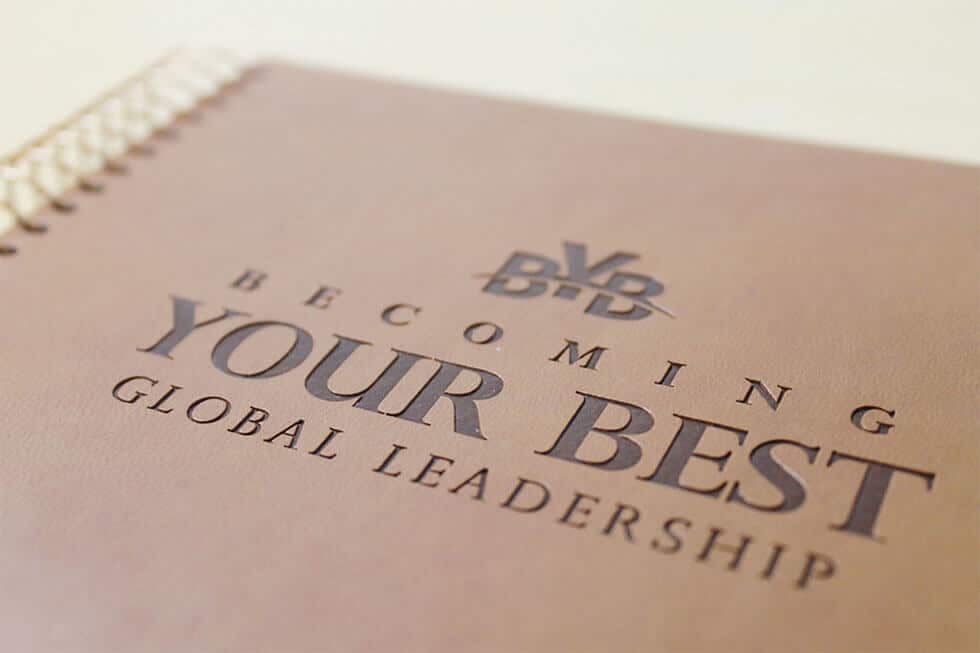
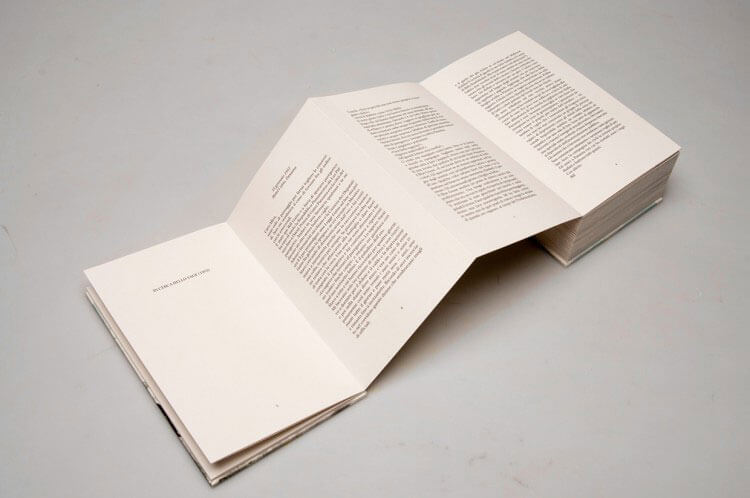
This planner’s front & back cover feature two colors
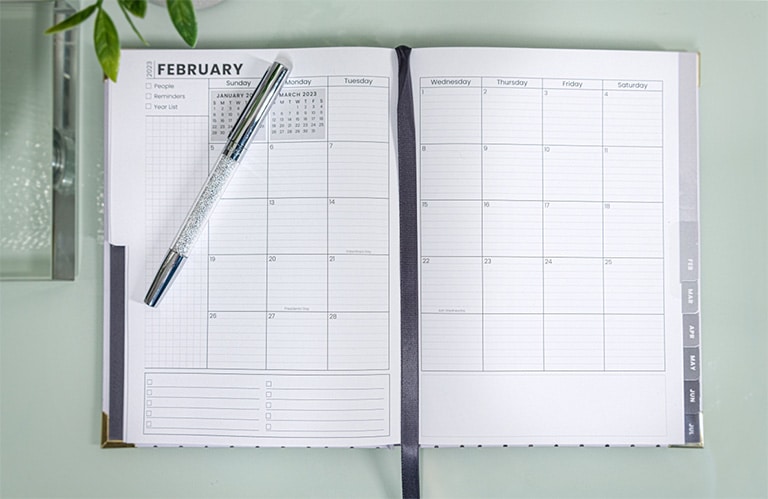
Inside pages are black only.
Quote Specification:
Cover 2/2 | Pages 1/1 (black only)
Why color matters: The use of color impacts your print quote. Black and white printing will always be the most economical, but honestly, most projects we print have vibrant color covers and pages.
One advantage of offset printing with MCRL, is that you are only charged for the pages with color. Print-on-demand (POD) providers charge full color printing on the entire book, even if only one page includes color. When you print with us, you can save on your printing quote by only using color on the pages that need it.
2. Counting Pages: Check Your Math
When counting your pages, your PDF page total may not reflect your final printed page count, so we recommend watching these quick videos to ensure you are accurately counting your pages.
How to count pages of a spiral bound book
How to count pages of smyth sewn book
Note! Your page count includes every single page, even blank ones. Once you watch the videos, it should click immediately!
Why does page count matter? An incorrect page count can change your quote cost, affect binding choices, and delay production.
3. Paper Weight: Rules of Thumb!
The type of paper you choose affects your project’s look, feel, durability, and cost. This is an area that trips up a lot of people.
Paper is measured by weight in Grams Per Square Inch (GSM) or Pounds (lbs). Just to make things even more confusing, these measurements are not interchangeable.
- Grams per square meter (gms) = weight of a single sheet of paper
- Pounds (lbs) = weight of 500 sheets of the paper
Cover Board is measured by thickness using Points (pt).
- Paperback cover stock: Typically 10pt cover stock = 0.010 inches thick
- Hardcover stock: Ranges from 80pt-120pt
Use these industry standards to guide your decision on paper and board choices for your project:
- Illustrated picture books: coated 70–100 lb paper
- Non-fiction/fiction (mainly text): uncoated 50–70 lb paper
- Board books: coated gloss or matte 40 or 60 pt board
- Activity books: heavier, uncoated pages, 80–100 lb paper
- Journals and planners: uncoated 70–120 lb paper
Why this matters: Choosing the right type of paper and board stock ensures your book, planner, or other printed project matches with your creative vision. Note that heavier paper is thicker, more premium, more durable…and more expensive. Of course, the choice is yours.
If you need advice on the best paper weight for your book, book a call with us. We can provide recommendations and eco-options that fit your vision and budget.
In Summary: You can save money on your printing quote by using color only where necessary, choosing a lighter paper stock, reducing your page count, or increasing your print quantity to lower your per-unit price.
When you’re ready, request a custom offset printing quote.
If anything on your quote (or our quote form) is unclear, don’t hesitate to schedule a call with us, our team is happy to walk you through every detail!
Related Resources
If you found this information helpful, in our webinar Understanding Your Offset Printing Quote you’ll learn:
- What’s required to get a printing quote
- Common printing terminology
- Key factors that affect your quote (materials, finishes, quantities, etc.)
- How to compare quotes – sometimes what isn’t included in a quote is more important than what is!