
Offset or Digital POD Printing?
What’s the right choice for your book, journal or planner?
There is no single right answer - it depends on whether you’re testing a market or scaling one. Here’s the honest trade-off.
Offset printing vs print on demand, cost and quality
Key takeaways
- Digital POD suits testing: single copies, fast turnaround, no inventory risk.
- POD’s weaknesses are high per-unit cost, limited customisation and thin margins.
- Offset wins on colour consistency, customisation range and cost per book.
- Offset’s trade-offs are higher minimums and longer lead times - plan for both.
Read the full breakdown
This is the decision almost every self-publisher and product brand hits early, and the video answers it without pretending offset is always the answer. Digital print-on-demand is genuinely good when you’re starting out: you can order a single copy, turn it around quickly, and test whether the market wants what you’ve made before committing capital.
The catch is what POD costs you at scale. Per-unit prices stay high no matter how many you sell, customisation is limited to what the platform supports, and the margin left after the platform takes its share makes it genuinely hard to turn a profit on a physical product.
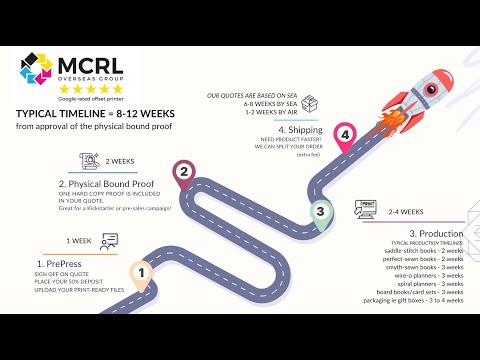
Offset flips both of those. It gives the best colour consistency, the widest range of customisation - eco-friendly papers, premium finishes, specialty covers - and the lowest cost per book, which is where your margin comes from. The trade-offs are real and worth planning around: larger minimum quantities and longer lead times. The bottom line the video lands on is simple. Go digital while you’re testing the waters. Go offset when you’re ready to grow and want the unit economics to work.
Read the full transcript
Should you offset print your book or planner? Honestly, there's no one right answer. It all depends on your vision and your goals. Digital printing is great when you're just starting out. You can order a single copy at a time, get a super quick turnaround, and test your market. But this is the catch. Per unit costs are higher. Customization is limited, and it's tough to turn a profit. Offset printing, on the other hand, is what you want when you're ready to scale. It gives you the best color consistency, the most customization options from eco-friendly papers to premium finishes, and the lowest cost per book. The trade-off, larger minimums and longer lead times. So, here's the bottom line. Go digital if you're testing the waters. Go offset when you're ready to grow and maximize profits. And if you're still unsure what's best for your project, head to our website or book a call with one of our printing experts and we'll help you make the right choice.
Common Questions
When should I switch from POD to offset?
Is offset printing better quality than digital?
What are the downsides of offset printing?
Can I use both?


Ready when you are
Tell us what you’re making and get one all-in quote - printing, finishing, and shipping in a single number.
Request a Quote